
Why should an HR manager choose a CPF?
By Quelia Phan
When an organisation invests time, people and resources into a strategy workshop, leadership retreat or change process, the facilitator can make a significant difference to what happens in the room.
For HR managers and people leaders, the question is not simply who can run a workshop, but who can be trusted to facilitate a complex group effectively.
When Anyone Can Be a Facilitator
In one sense, anyone can facilitate. A manager can run a team meeting, a trainer can lead a workshop and a presenter can guide a group through an agenda. Often, that is enough.
But complex strategy sessions, change processes, stakeholder alignment workshops and high-stakes decisions require something different. Being good at presenting is not the same as managing group dynamics, just as being a manager is not the same as being a neutral facilitator.
That is where professional assessment matters.
The IAF Certified Professional Facilitator credential provides one way for organisations to identify facilitators whose practice has been independently assessed. Introduced in 1998 by the International Association of Facilitators, the CPF is built around six Core Competencies that define effective facilitation in practice, from creating collaborative client relationships to designing appropriate group processes and guiding groups towards clear outcomes.
Crucially, the credential is not awarded simply for completing a course. Facilitators demonstrate their competence through a two-stage assessment: a written application drawing on real facilitation work, followed by a live assessment observed by experienced Certified Assessors.
That rigour matters when organisations are choosing who to trust with an important conversation.
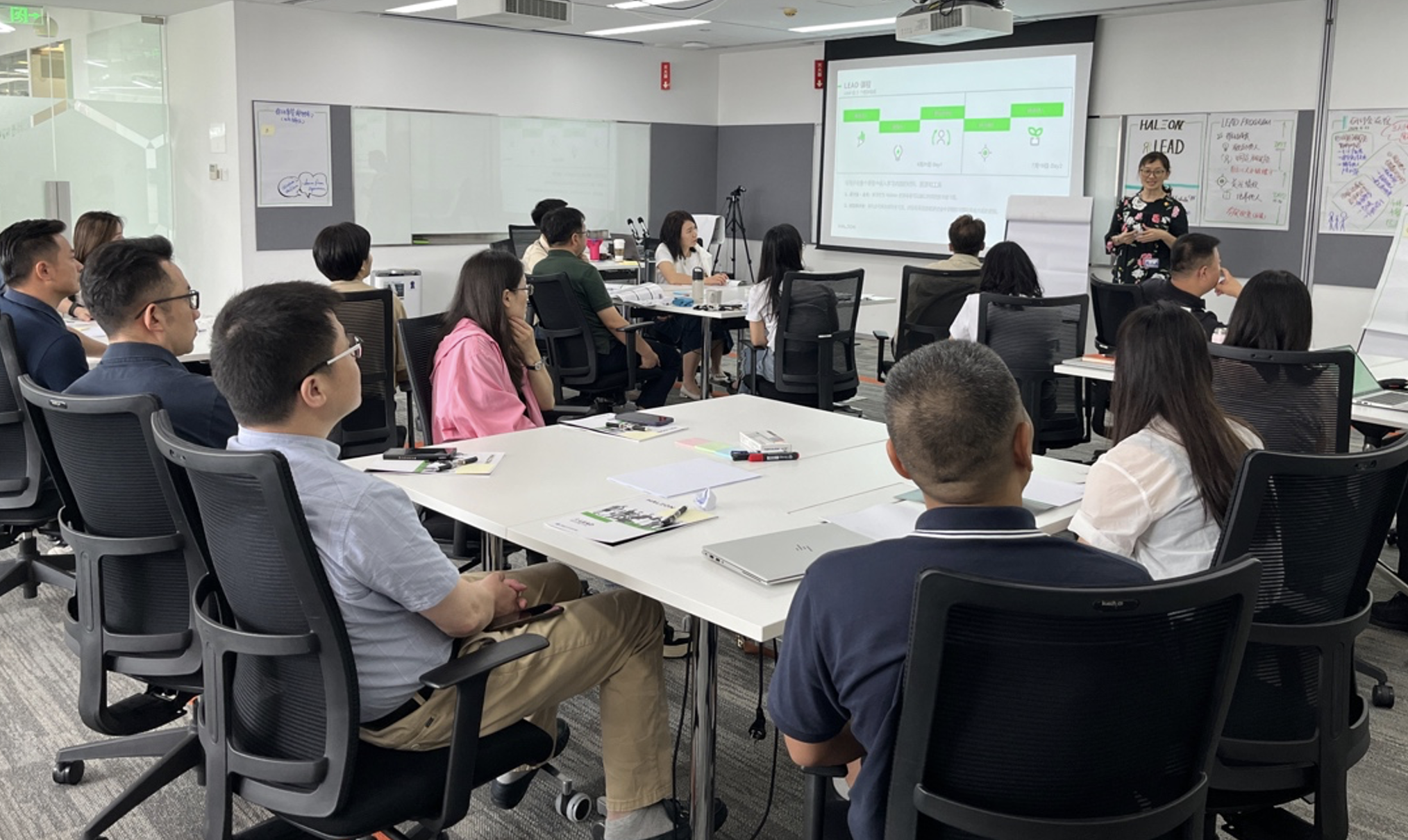
A facilitated workshop led by Linmin Zhang. Photo courtesy of Linmin Zhang.
What a CPF Brings
Professional facilitation is not simply about keeping a meeting on track. At its best, it is about creating the conditions for a group to do its best thinking together.
"Good facilitation is about listening to the group and creating the environment that allows the group to do the things it needs to do," says Dave Lavers, a CPF and Regional Director of IAF Oceania, who has worked with organisations across the Asia-Pacific.
For HR managers and people leaders, this distinction matters. A CPF has been assessed on their ability to build collaborative relationships with clients, design processes around the needs of a group, manage group dynamics and help participants work towards meaningful outcomes.
These are not simply personal qualities. They are professional competencies that have been independently assessed.
The Cost of Getting It Wrong
A poorly facilitated session can leave participants frustrated, decisions unclear and important conversations unresolved.
When the loudest voice dominates, conflict goes unmanaged or participants leave without clarity about what was decided or why, the consequences can extend beyond the workshop itself. Teams may lose confidence in the process, while valuable time and organisational resources have already been spent.
Skilled facilitators design for these challenges and adapt when group dynamics change. A CPF has demonstrated the ability to work with these complexities as part of the assessment process.
"You finish a day workshop and you will generally go home exhausted because your mind is working really hard," Dave says.
For participants, that work may involve challenging assumptions, listening to different perspectives and working through difficult issues. For organisations, the quality of that process can influence what happens after the workshop.
What to Look For
For HR managers considering a facilitator, CPF status can be one meaningful indicator of professional practice. It shows that the facilitator has been independently assessed against the IAF Core Competencies and is committed to professional standards and ongoing development.
But the credential should not be the only question.
Before engaging a facilitator, HR managers can consider:
Relevant experience: Have they worked with groups facing similar challenges?
Process design: Do they ask about the organisation, participants, context and desired outcomes before proposing a workshop?
Adaptability: Can they respond to changing group dynamics rather than simply follow a fixed agenda?
Professional standards: Do they work within a recognised code of ethics and commit to ongoing development?
Fit: Can they create the right process for this particular group rather than applying the same approach to every organisation?
The IAF also maintains a public directory of Certified Professional Facilitators, allowing organisations to identify credentialed practitioners across Oceania and other regions.
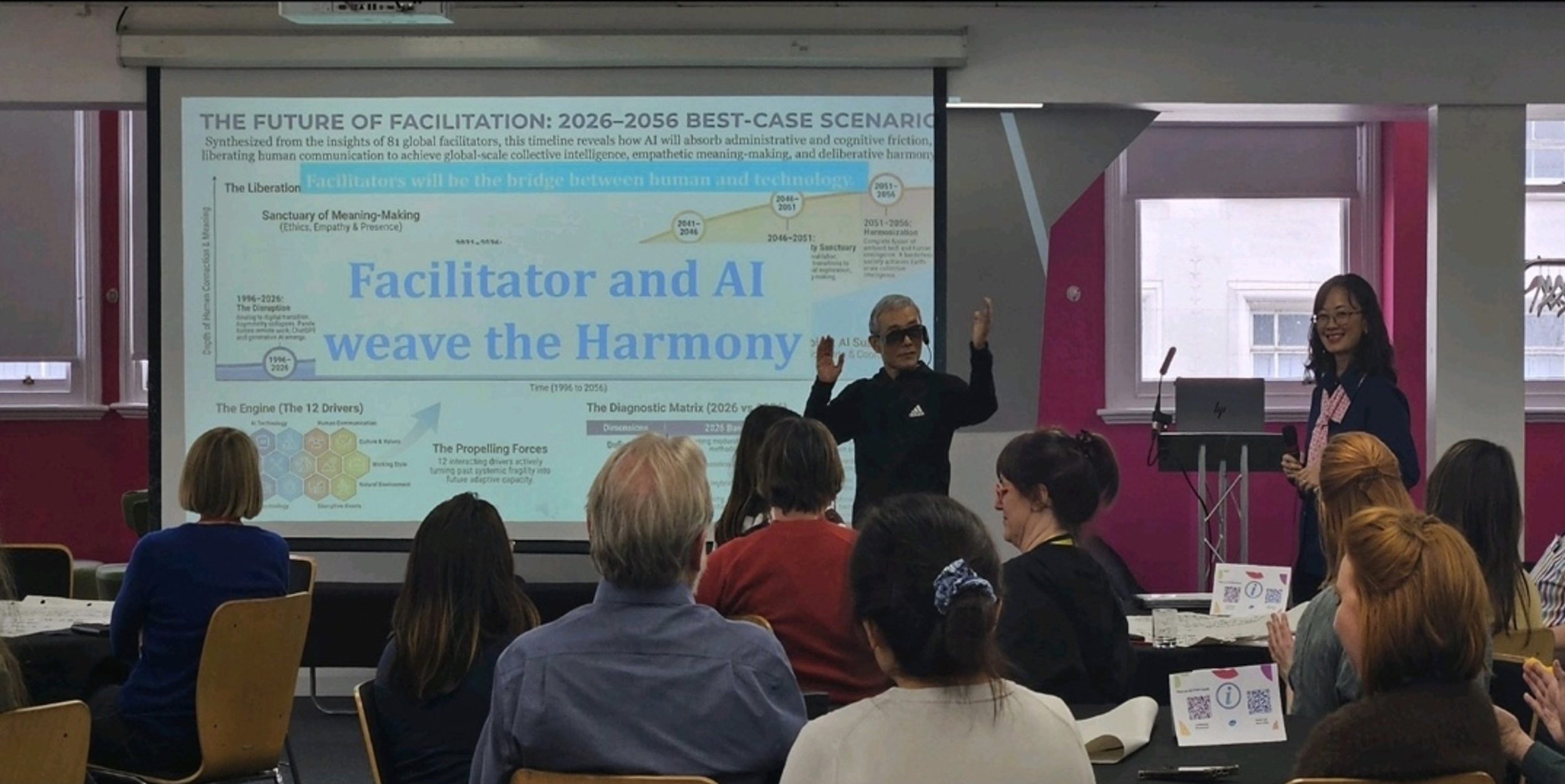
Participants taking part in a facilitated session. Photo courtesy of Linmin Zhang.
An Investment in the Process
The value of bringing in a CPF is not only in the session itself. It is in what the session makes possible.
A well-designed facilitation process can help organisations navigate complex change, bring different perspectives into the conversation and create the conditions for groups to work towards shared outcomes.
"When we can create environments and conditions for people to work towards shared outcomes," says Cathryn Lloyd, one of the designers behind the IAF Oceania Conference 2026, "that is a really valuable thing."
For HR managers navigating organisational change, building team capability or bringing people together around difficult decisions, choosing a facilitator is ultimately an investment in the process itself.
A CPF provides one way to assess whether the person being brought into the room has demonstrated the professional competencies needed to help a group navigate complexity, participate meaningfully and work towards an outcome.
---
The IAF maintains a directory of Certified Professional Facilitators at iaf-world.org. CPF Assessment Events will be held in Geelong on 12–13 October 2026, ahead of the IAF Oceania Conference 2026 on 14–16 October.