
When did you last practise, not perform?
As a facilitator you can read a room before anyone says a word. You adjust an agenda mid session without anyone noticing. You hold space for a group that's stuck without rushing them. That's the job, and you're good at it.
Here's the question worth sitting with. When did someone last do that for you?
Most facilitators spend their careers on the giving end of attention. You're the one running the session, not sitting in it. Your own development gets pushed to "when things are quieter," and if you've been doing this work a while, you already know that moment doesn't arrive on its own.
The plateau nobody points out
You're still booked. Clients still ask for you by name. But there's a difference between a practice that's still sharp and one that's just reliable, and reliable is the easier trap to fall into, because nothing about it feels like a problem until you're standing next to someone who's still actively developing their craft.
Facilitation is unusual as a profession because most people in it are self taught, or trained once early on and left to work out the rest through trial and error in the room. That's not a knock on anyone, it's just what happens in a discipline still maturing. But it puts the responsibility for staying sharp almost entirely on you, and another book on theory doesn't really solve that. What does is standing in a room with other facilitators, watching how they handle the moments you can't plan for, trying an approach you wouldn't normally reach for, and getting feedback from people who understand exactly what you were attempting.
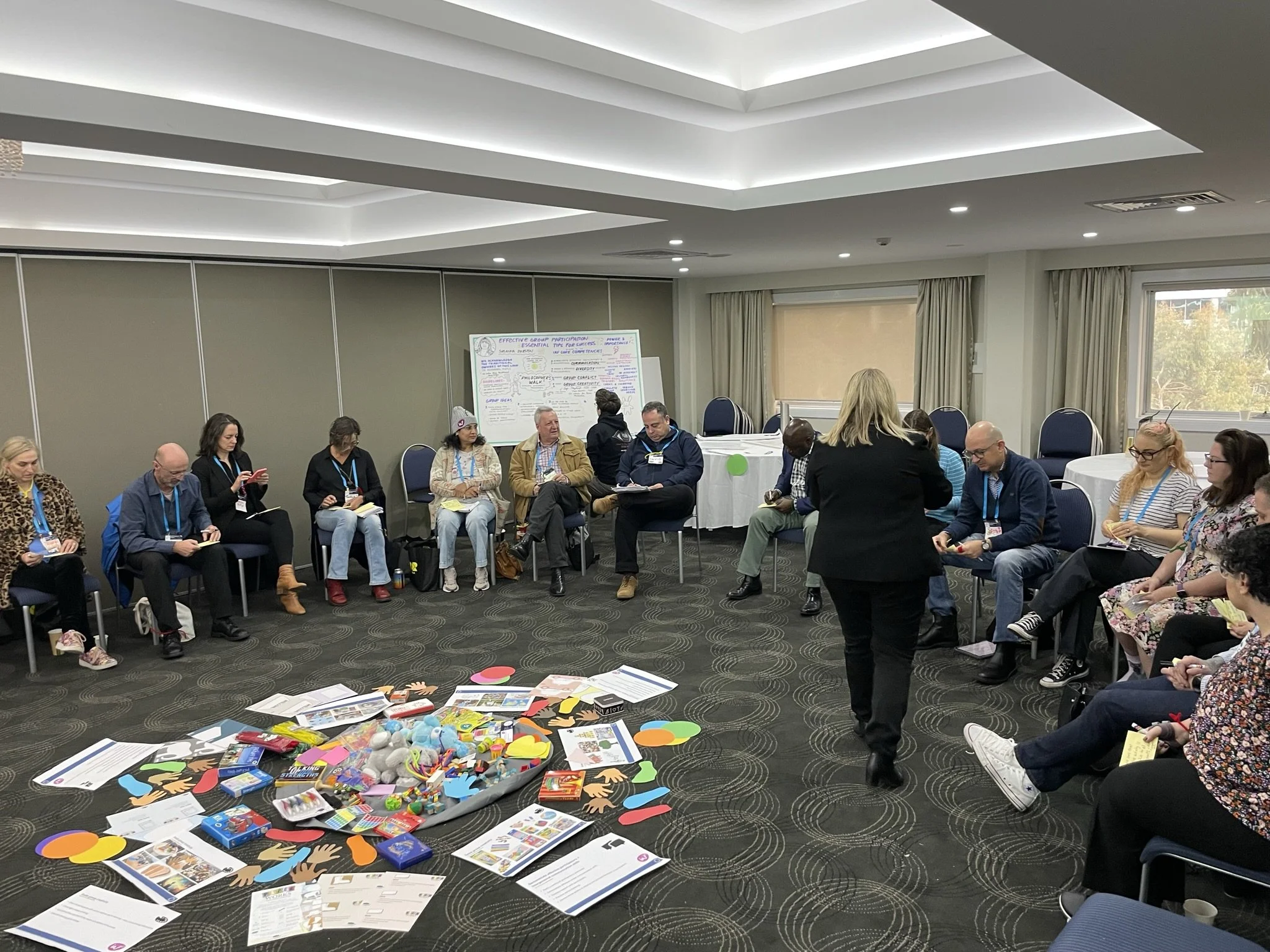
What's on this year
The IAF Oceania Conference is the only event in the region built specifically for facilitation practice, and it runs once every three years. This year it's 14 to 16 October at Deakin University's Waterfront Campus in Geelong.
The programme runs deep. More than 40 hands on workshops across three learning journeys, Foundations, Craft and Transformation, so whatever stage your practice is at, there's a path through that matches it. In The Facilitator Stripped Bare, Michelle Howard strips away the tools and tricks to ask what's actually holding a session together underneath. . In Power in the Room, Nancy Nuñez names what most facilitators feel but rarely say out loud, that power shapes who speaks first and whose ideas get heard.
None of it is lecture style. Every session is designed the way you'd want your own sessions to run, hands on, immediately useful, built by people still doing this work themselves.
Registration is open now. Non member registration includes a full year of IAF membership, which also opens the door to the CPF accreditation pathway if that's on your radar.
If your own development has been sitting near the bottom of the list, this is the moment to move it up.